




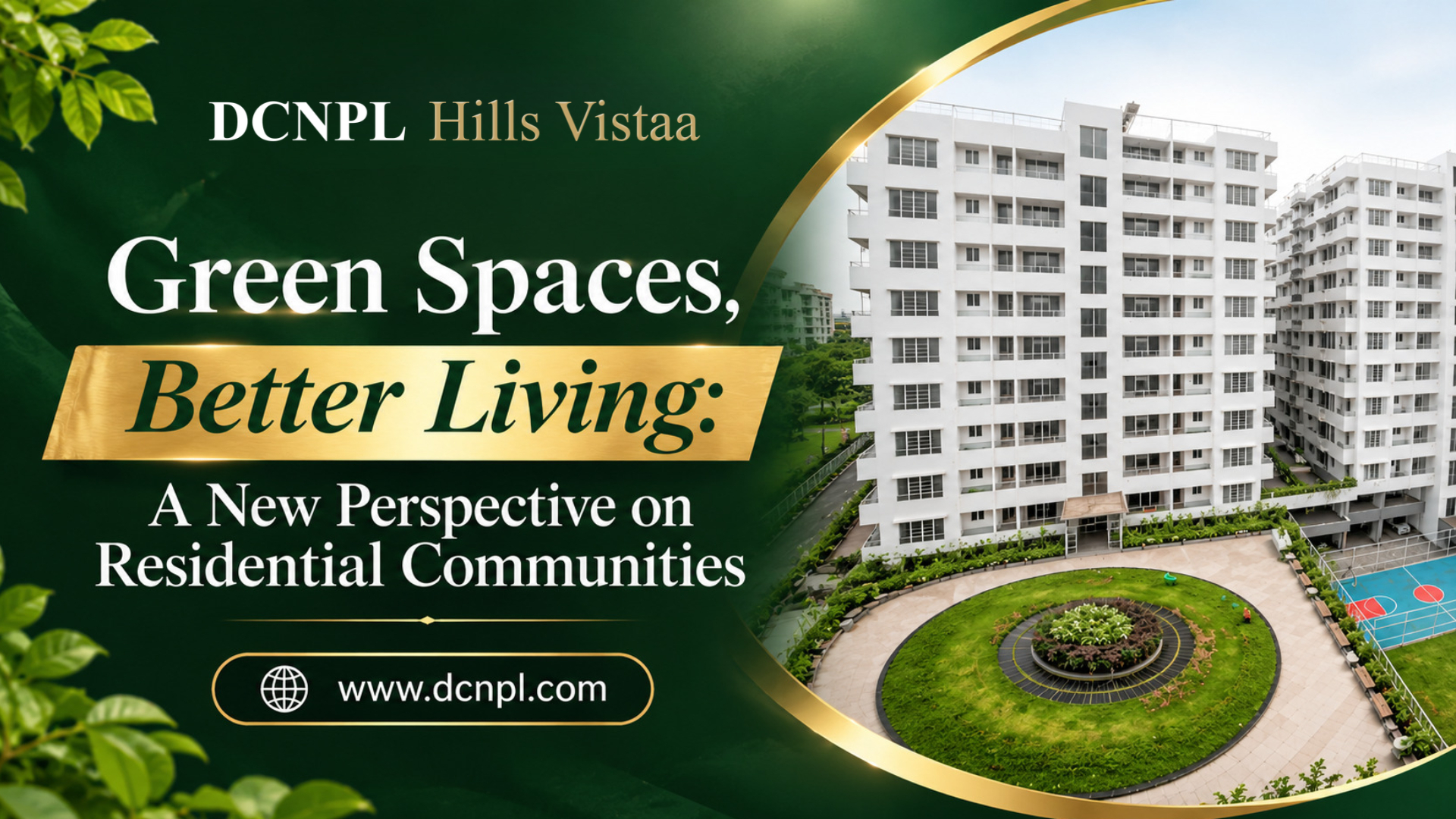
Green spaces are becoming an essential part of modern residential living, offering residents a refreshing connection with nature. From landscaped gardens to open recreational areas, these spaces contribute to physical wellness, mental relaxation and a better quality of life.
Table of Contents
- Why Green Spaces Are Becoming Essential in Residential Living
- A Natural Way to Support Physical and Mental Well-Being
- Creating Cooler and More Comfortable Residential Surroundings
- Green Spaces as Everyday Social and Community Hubs
- Encouraging Children to Explore, Play and Learn
- Supporting Biodiversity and Environmentally Responsible Living
- AI-Driven Green Planning: The Future of Residential Communities
- What Homebuyers Should Look for in Green Residential Development
- Why DCNPL Hills Vistaa Fits the Vision of Modern Living
- Conclusion
- Frequently Asked Questions
Introduction
Green open spaces are becoming an essential feature of modern residential planning. Beyond adding beauty to a neighbourhood, they encourage outdoor activities, relaxation, social interaction and healthier routines. For people exploring Property in Indore, access to thoughtfully planned green surroundings is becoming an important consideration when choosing a comfortable and future-ready home.
1. Why Green Spaces Are Becoming Essential in Residential Living
As cities expand and buildings become taller, open spaces are becoming increasingly valuable. Modern homebuyers are no longer interested only in apartment layouts and interiors. They also want surroundings where they can step outside, enjoy nature and take a break from busy schedules.
This preference is influencing residential development across Super Corridor Indore, where buyers increasingly consider the overall neighbourhood environment alongside the property itself.
Why green spaces matter:
- Visual comfort: Trees, gardens and landscaped surroundings create a pleasant residential environment.
- Everyday accessibility: Residents can enjoy outdoor surroundings without planning a separate trip.
- Lifestyle balance: Green surroundings encourage people to spend more time away from screens.
- Neighbourhood identity: Thoughtfully maintained landscapes give residential communities their own character.
For buyers exploring Flats in Super Corridor, the availability of usable open areas can be an important factor when comparing residential projects.
2. A Natural Way to Support Physical and Mental Well-Being
Sometimes, a refreshing morning does not require an elaborate plan. A short walk beneath trees, a few minutes of sitting outdoors or simply enjoying the morning sunlight can make everyday routines more enjoyable.
The World Health Organization recognises urban green spaces as valuable for physical activity, psychological relaxation and social well-being.
Everyday wellness opportunities:
- Walking and jogging: Landscaped pathways encourage regular physical activity.
- Mindful relaxation: Quiet outdoor corners provide opportunities to pause and recharge.
- Yoga and meditation: Open surroundings create peaceful spaces for wellness routines.
- Screen-free time: Outdoor activities offer a healthy alternative to digital entertainment.
The real advantage is consistency. When nature is easily accessible, incorporating small wellness habits into daily life becomes simpler.
For families considering Luxury Apartments Indore or Premium Apartments in Indore, accessible outdoor environments can add another dimension to comfortable living.
3. Creating Cooler and More Comfortable Residential Surroundings
Greenery does more than improve the appearance of a residential property. Trees provide shade, while vegetation and permeable ground surfaces can help moderate local temperatures and manage rainwater.
This is particularly relevant for Indian cities, where summer heat can influence outdoor comfort.
Environmental benefits of greenery:
- Natural shade: Tree canopies reduce direct exposure to sunlight.
- Temperature moderation: Vegetated areas can help reduce local heat compared with heavily paved surroundings.
- Rainwater absorption: Open soil and planted areas support water infiltration.
- Dust and noise management: Vegetation can intercept some airborne particles and soften environmental noise.
Sustainable landscaping considerations:
- Select trees and plants suited to the local climate.
- Maintain sufficient permeable surfaces.
- Use efficient irrigation systems.
- Incorporate shaded walking and seating areas.
These features can make Property in Super Corridor more attractive to buyers who value environmental comfort alongside residential convenience.
4. Green Spaces as Everyday Social and Community Hubs
A good residential community is built through everyday interactions, not just shared buildings. Green open spaces can become natural meeting points where neighbours connect without needing a formal occasion.
A landscaped seating area, walking path or community garden can gradually become part of the neighbourhood's social identity.
How shared greenery brings people together:
- Morning conversations: Neighbours connect during daily walks.
- Family gatherings: Outdoor seating creates opportunities for informal get-togethers.
- Community activities: Residents can organise celebrations and wellness sessions.
- Intergenerational bonding: Children, adults and senior citizens enjoy shared outdoor environments.
These spaces become particularly valuable when supported by Modern Amenities, accessible pathways, comfortable seating and adequate lighting.
For buyers comparing Best Residential Projects in Indore, community planning deserves attention alongside apartment specifications and building design.
5. Encouraging Children to Explore, Play and Learn
Children need more than indoor entertainment to understand the world around them. Natural surroundings give them opportunities to observe, explore, ask questions and develop curiosity.
Instead of experiencing everything through screens, they can discover how plants grow, notice seasonal changes and develop an appreciation for nature.
Learning experiences that greenery can encourage:
- Nature observation: Identifying leaves, flowers, butterflies and birds.
- Creative play: Using outdoor surroundings for imaginative activities.
- Environmental awareness: Understanding the importance of plants and water conservation.
- Physical development: Enjoying age-appropriate outdoor movement and recreational activities.
For parents planning a First-Time Home Buyer decision, evaluating child-friendly outdoor environments can be just as important as selecting the right apartment configuration.
Whether considering 2 BHK Flats in Indore, 3 BHK Flats in Indore or 4 BHK flats in Indore, families should consider how the surrounding community supports their everyday lifestyle.
6. Supporting Biodiversity and Environmentally Responsible Living
A thoughtfully planned green area can become a small ecosystem within a residential neighbourhood. Native plants, flowering shrubs and suitable trees can provide food and shelter for butterflies, birds and beneficial insects.
The focus should not simply be on planting more trees but on creating greenery that can survive and thrive in local conditions.
Sustainable landscaping practices:
- Native plant selection: Choose species suited to the local climate and soil.
- Water-conscious gardening: Use drip irrigation and appropriate watering schedules.
- Composting: Convert suitable organic garden waste into useful soil nutrients.
- Rainwater management: Encourage water harvesting and groundwater recharge wherever feasible.
- Biodiversity-friendly planting: Include different plant varieties to support local wildlife.
These practices can support responsible residential development while reducing unnecessary maintenance requirements.
For people considering Investment in Super Corridor, sustainability and the long-term maintenance of shared spaces can also be useful factors when evaluating a project's overall appeal.
7. AI-Driven Green Planning: The Future of Residential Communities
Artificial intelligence is gradually changing how residential landscapes and environmental resources can be planned and managed. Instead of depending entirely on traditional maintenance schedules, property managers can use smart technologies to make more informed decisions.
How AI can support greener communities:
- Smart irrigation: Soil-moisture sensors help determine when plants need water.
- Plant health monitoring: Image-based systems can identify possible signs of plant stress or disease.
- Water usage analysis: Data can highlight unusual consumption and potential wastage.
- Landscape planning: Digital simulations help assess shade patterns and sunlight exposure.
- Predictive maintenance: Data-driven systems help schedule gardening and equipment maintenance.
AI-Driven Insight: The future of residential sustainability lies in combining natural landscapes with intelligent resource management. Technology should support nature, not replace it.
These developments can also contribute to the planning of Premium Housing Indore, where environmental management and lifestyle facilities are becoming important considerations.
8. What Homebuyers Should Look for in Green Residential Development
When evaluating a home, buyers should look beyond attractive landscape photographs. The actual usability, accessibility and maintenance of green spaces matter much more than decorative planting.
Whether someone is following an Apartment Buying Guide or a broader Home Buying Guide Indore, evaluating the surrounding environment can help avoid overlooking important lifestyle factors.
A practical Property Checklist:
- Usable open areas: Check whether residents can comfortably access landscaped spaces.
- Tree placement: Look for appropriate shade without blocking essential natural light.
- Walking pathways: Examine whether pathways are safe and accessible.
- Water management: Ask about irrigation and rainwater conservation practices.
- Maintenance planning: Understand who maintains the gardens and how regularly.
- Community usability: Check whether outdoor areas serve children, adults and senior residents.
Additional residential considerations:
- Compare Ready-to-Move Apartments with under-construction properties based on your requirements.
- Check whether Ready Possession Homes offer the facilities advertised.
- Evaluate Ready-to-Move Flats in Indore through an actual site visit.
- Compare Ready Possession Flats based on documentation, construction quality and maintenance.
- Review the overall layout rather than focusing only on the apartment's interiors.
Homebuyers comparing Luxury Flats in Super Corridor should also assess the quality and accessibility of common outdoor areas.
9. Why DCNPL Hills Vistaa Fits the Vision of Modern Living
DCNPL Hills Vistaa represents a residential development that should be evaluated as part of Indore's evolving urban environment. For modern homebuyers, a residential project is not simply about the apartment itself. Its relationship with workplaces, transportation, infrastructure, commercial zones and surrounding development can shape everyday convenience.
The location context of Super Corridor Indore makes it relevant for buyers researching residential opportunities near the city's developing employment and infrastructure corridors.
Factors worth considering when evaluating DCNPL Hills Vistaa:
- Residential layouts and available configurations.
- Construction quality and project documentation.
- Access to essential services and transportation.
- Common areas and lifestyle facilities.
- Surrounding infrastructure and neighbourhood development.
Buyers comparing Best Residential Areas in Indore may also consider established locations such as Vijay Nagar and Nipania, alongside emerging residential corridors.
Connectivity through the Metro Station Indore network, access towards TCS Indore and Infosys Indore, and routes connecting with the Indore-Ujjain Highway can also form part of a broader location assessment.
For buyers comparing Apartment vs Row House, Row House in Indore options or different apartment configurations, the decision should ultimately reflect their family requirements, budget and preferred lifestyle.
Conclusion
Green open spaces bring more to residential communities than visual beauty. They encourage healthier routines, meaningful social connections, environmental awareness and comfortable surroundings. As Indore continues to grow, choosing a home with a thoughtful approach to the living environment can help families build a more balanced lifestyle. DCNPL Hills Vistaa invites homebuyers to look beyond four walls and consider the bigger picture of modern living.
CTA – Discover a Better Way of Living
Looking for a home that complements your lifestyle and future aspirations?
Explore DCNPL Hills Vistaa and take the next step towards comfortable residential living in Indore.
Phone: +91-7722990999, +91-7722991999
Email: info@dcnpl.com
Frequently Asked Questions
1. Why are green open spaces important in modern residential communities?
Green open spaces improve the overall residential environment by providing opportunities for outdoor activities, relaxation, social interaction and environmental sustainability. They also make neighbourhoods more visually appealing and encourage residents to spend more time outdoors.
2. Can green spaces improve the mental well-being of residents?
Yes. Spending time in natural surroundings can support psychological relaxation and help reduce everyday stress. Activities such as walking, gardening and sitting in peaceful outdoor areas can provide opportunities to disconnect from busy routines and enjoy a more relaxed environment.
3. How do trees and gardens help reduce surrounding temperatures?
Trees provide shade and vegetation releases water vapour through a process called transpiration. Together with other landscape features, these processes can help moderate local temperatures. Green spaces can also reduce the amount of heat absorbed by paved surfaces and buildings.
4. What types of green spaces should a residential community ideally have?
A well-planned residential environment can include landscaped gardens, shaded seating areas, walking pathways, children's outdoor spaces, native plantations and small community gardens. The ideal combination depends on available land, resident requirements and maintenance capabilities.
5. How do green spaces benefit children and senior citizens?
Children can develop curiosity, environmental awareness and physical activity habits through outdoor experiences. Senior citizens can benefit from accessible walking areas, shaded seating and opportunities for social interaction. Safe pathways, suitable surfaces and adequate lighting are important for both groups.
6. Can green open spaces increase the attractiveness of a residential property?
Well-maintained greenery can improve the visual appeal and everyday usability of a residential community. Buyers may find properties with accessible outdoor spaces more attractive because these features contribute to lifestyle convenience. However, property value also depends on location, construction quality, amenities and market conditions.
7. How can AI technology make residential green spaces more sustainable?
AI-powered systems can analyse soil moisture, weather information, irrigation patterns and plant conditions. When combined with sensors and suitable maintenance practices, these technologies can help reduce unnecessary water consumption, identify plant-health issues and improve landscape management.
8. What should buyers check before choosing a home in a green residential community?
Homebuyers should examine the availability, accessibility and actual usability of green spaces. They should also check plantation quality, shade, walking pathways, water management, lighting, safety and maintenance arrangements. A residential environment should offer greenery that residents can genuinely enjoy rather than landscaping that exists only for appearance.
